
A strong glazing handover tells the next person exactly where the job stands. For property managers, that means separating what was made safe today from what still needs to be measured, approved, supplied or installed, then keeping every stage connected to the original property or incident record.
Key points
What to remember
- Confirm the condition in which the opening has been left.
- Record any barriers, access restrictions or temporary materials.
- Clarify approvals and information needed for replacement.
- Keep the same reference attached to every stage of the job.
- Close the record only after the agreed permanent outcome is confirmed.
Keep people clear of the area and call the emergency line if the opening is unsafe, unsecured or changing.
Prepare the site before attendance
Confirm the onsite contact, access point, induction requirements and whether the area remains isolated. Share any updated condition without asking staff to move closer to the damage.
Make sure the attending team knows about loading restrictions, keys, security sign-in, trading hours and any areas that cannot be accessed while customers or residents are present. Where multiple parties are involved, distinguish the onsite access contact from the person who can approve work.
Keep temporary barriers and internal communications in place until the handover confirms they can be changed. An arrival time or technician attendance is not, by itself, permission to reopen the area.
Ask what was completed during the visit
Record whether hazardous glass was removed, the opening was temporarily secured or the final panel was installed. Avoid closing the work order based only on attendance status.
Ask for the condition of the whole opening: the pane, frame, seals and any operating door hardware included in the scope. The answer should make clear what was completed, what was observed but not included and whether another trade or approval is needed.
- Is the opening secure and weather-resistant in its current condition?
- Are barriers, access limits or warning signs still required?
- Was a final measurement taken?
- Is another approval, specification or site visit required?
Identify whether the outcome is temporary or permanent
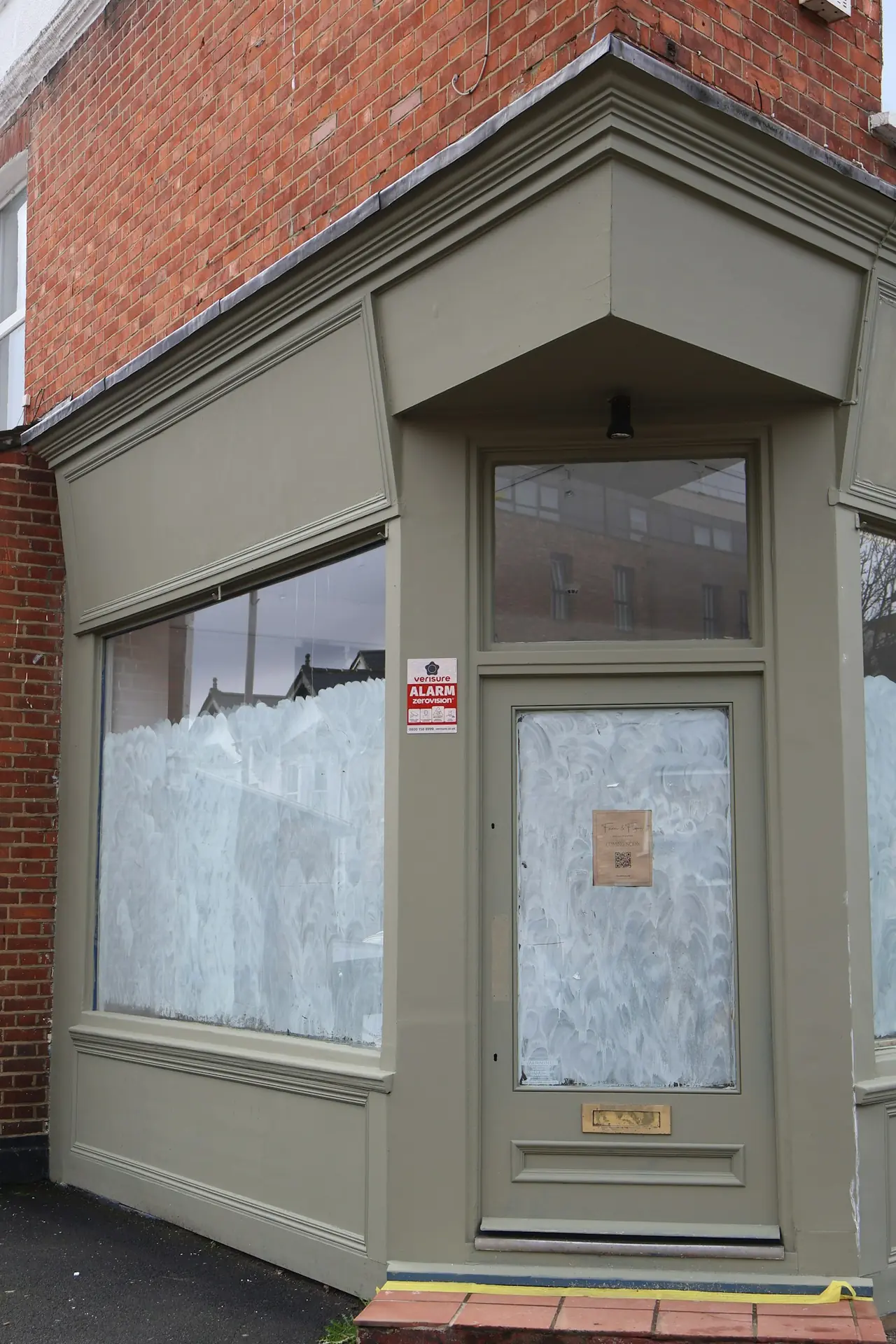
A board, film or other temporary securing method may complete the immediate make safe, but it does not automatically complete the broken glass repair. Record how the opening has been left, whether it is weather-resistant and secure, and what restrictions must remain in place.
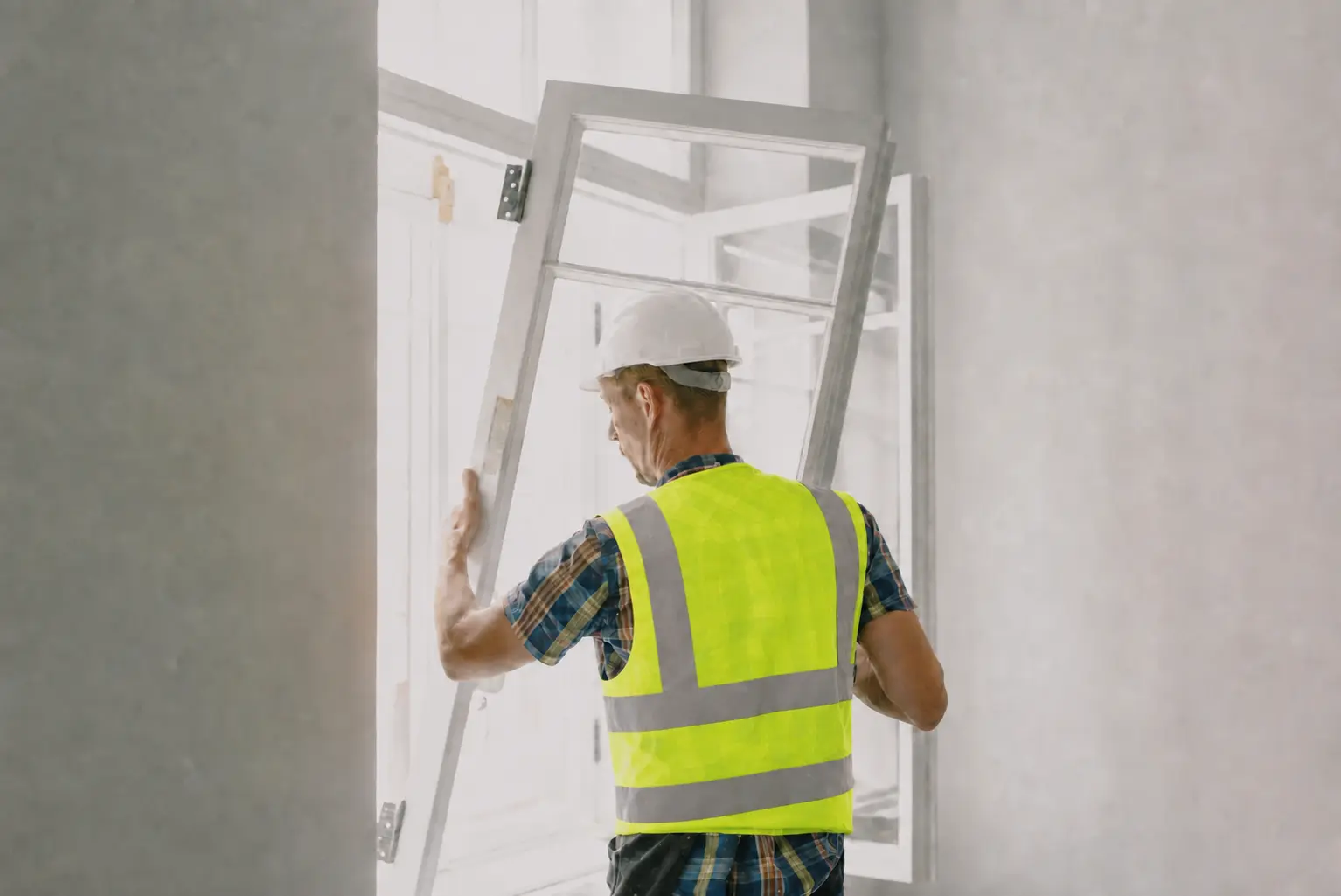
If a final window glass replacement is still required, note whether measurements were taken, whether the specification is confirmed and what will trigger the return visit. Keep the temporary and permanent stages under one incident or work-order reference.
Confirm the owner of the next stage
Identify who will provide approval, who will coordinate site access and who should receive updates. This is especially important where a tenant, property manager, insurer and contractor all touch the same job.
Write the next action as an owner and a decision, not a vague status. For example: property manager to approve the quoted replacement, claims team to confirm authorisation, or site contact to provide access for the scheduled installation.
Keep the practical evidence with the property record
Store the attendance notes, temporary-condition or completion photos, measurements or glass details supplied, approvals and access instructions with the original report. This allows another team member to understand the job without reconstructing it from emails and phone calls.
For a portfolio, consistent fields make reviews more useful. Record the location and opening in the same way each time, along with the cause reported, response stage, outstanding decision and final completion date.
- Original incident, property, work-order or claim reference.
- Before, temporary-condition and final photos supplied through the job process.
- Remaining barriers, access limits and security arrangements.
- Measurements, specification notes, quote and approval history.
Close the record only when the outcome is clear
The job record should show the final condition, completion date and any ongoing maintenance or building issues discovered during the work. This creates a useful history for future incidents at the same opening or site.
Before closing, confirm that the agreed scope was completed and that any temporary materials or operational restrictions have been resolved or formally transferred to another active task. A closed record should not hide an outstanding replacement.
Use handovers to improve the maintenance plan
Repeated handover issues can reveal gaps in the wider property maintenance checklist. Look for recurring breakage at the same opening, incomplete site contacts, temporary work awaiting approval, failed door hardware or access restrictions that repeatedly delay attendance.
A regular portfolio review can turn those records into practical action: update site information, clarify approval limits, plan non-urgent replacement and investigate recurring damage before it creates another urgent incident.
Common questions
Frequently asked questions
Is a temporarily boarded opening a completed job?
It may complete the make safe stage, but the property record should remain clear that permanent glazing is still required unless the agreed scope says otherwise.
What should be included in the final completion record?
Record the work completed, final condition, any remaining restrictions, the service reference and supporting photos or documents supplied through the normal job process.
Who should confirm the glazing handover at the property?
Use the nominated site or property contact identified on the work order. That person should receive the practical handover, confirm remaining restrictions and make sure the next-stage owner and approval pathway are recorded.
What evidence should a property manager retain after glazing work?
Keep the service reference, attendance notes, completion or temporary-condition photos, access restrictions, measurements or specifications supplied, approvals and the agreed next action in the same property record.
How can a property manager tell whether the work was a make safe or final repair?
Ask what was installed or removed, how the opening has been left, whether measurements were taken and whether another visit is required. The written handover should label the stage clearly rather than relying on an attendance or completed-status notification.
What should remain on a property inspection checklist after a glass make safe?
Keep the opening, temporary condition, barriers, weather or security limitations, replacement approval and next attendance visible until the permanent outcome is confirmed. Staff should observe from a safe position and should not touch damaged or temporary glazing.
When can a glazing work order be closed?
Close it when the agreed scope is complete, the final condition is recorded and any remaining issue has been assigned to a separate active task with a clear owner. Do not close the permanent repair merely because the emergency stage was attended.
Talk to the team
Need help with a glazing issue?
Call 1300 001 876 for an active safety or security concern, or for planned work. You can also review the published service locations.