When glass breaks, a useful first report does not need technical language. It needs a precise location, an honest description of the visible condition and enough access information for the response to be coordinated. A short, structured handover helps the glazing team distinguish emergency glass repair from planned broken glass repair without asking anyone to approach an unsafe pane.
Key points
What to remember
- Start with the exact address and the best onsite contact.
- Describe the opening and whether the area is currently controlled.
- Share photos only from a safe position.
- Include the job, claim, tenancy or property reference where available.
- Explain the operational impact rather than trying to diagnose the glass.
Keep people clear of the area and call the emergency line if the opening is unsafe, unsecured or changing.
Confirm the exact location and access point
Large sites, shopping centres and managed properties often have multiple entrances. Provide the tenancy or building name, street address, loading or security access point and the mobile number of someone who can meet the attending team.
If the damaged opening is difficult to find, add a plain-language location such as the northern shopfront beside the loading dock or the internal door on level two. Confirm trading hours, gate codes, inductions or security sign-in requirements that could affect access.
The onsite contact should be able to reach the area safely and answer practical questions. If a different person controls work approvals, include that contact separately so access and authorisation do not become confused.
Describe what can be seen safely
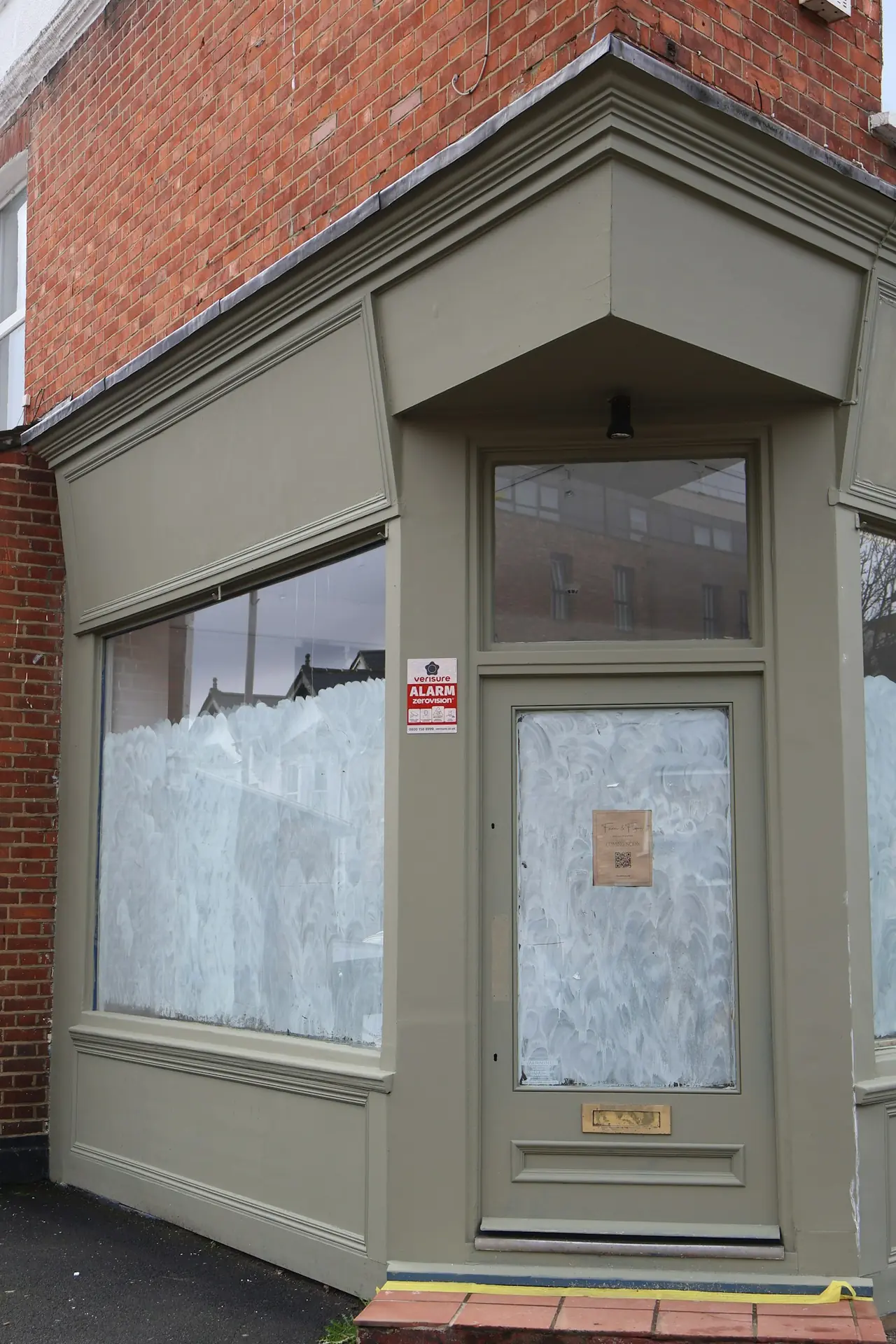
Explain whether the glass is cracked, missing, loose in the frame or spread across a walkway. Say whether the opening is a door, window, shopfront or internal panel and whether people can be kept away from it.
Avoid guessing whether the pane is toughened, laminated or another glass type. It is more useful to report observable details: glass still moving in the frame, a door that will not close, an exposed edge, an opening to the outside or fragments near a public path.
Do not press, tape, lift or remove glass to improve the description. The report should reflect what can be seen from outside the exclusion zone.
Explain the immediate safety, security and access impact
State what normal activity is affected. A damaged entry may prevent the building from locking, interrupt customer access, expose stock or allow weather into the property. These details help establish urgency more clearly than the size of the crack alone.
Say whether the area is isolated, supervised or still accessible to the public. If the condition is changing, glass is falling or essential access cannot be controlled, begin with the emergency phone pathway rather than waiting for an online response.
- Can the area be closed and kept clear?
- Can the property still be locked and monitored?
- Is the damaged opening affecting the only practical entrance?
- Is weather entering or likely to worsen the condition?
Add safe photos and approximate dimensions when available
A wide photo can show the opening and surrounding access conditions, while a closer image taken from the same safe position may show the visible damage. Never step inside a controlled area or stand beneath damaged glass to obtain a better image.
An approximate opening size can support early planning, but exact measurements are not required before the incident is reported. Do not place a tape measure against broken or unstable glass. Accurate dimensions and the replacement specification can be confirmed through the glazing pathway.
Add the references that connect the job
Provide any property, work order, insurance, incident or tenancy reference. Consistent references make it easier to match urgent securing, approvals and final replacement as the same job pathway.
Where insurance-related work may be involved, identify the relevant claims contact and record the cause of damage as it was reported. Coverage and approval remain matters for the policy and insurer, but complete references reduce the risk of the make safe and replacement being treated as unrelated jobs.
State why the situation is urgent
Be specific about the active concern: public access, security, weather exposure, essential access or unstable glass. This is more useful than using the word emergency without context.
If there is a serious injury, fire, suspected structural danger or an immediate threat to life or property, contact the appropriate emergency service first. A glazier can manage the glass response after the immediate emergency is being addressed.
Use a repeatable broken-glass report
A repeatable sequence helps households and site teams communicate under pressure: location, onsite contact, visible condition, current controls, operational impact, access requirements and job reference. Add photos and approximate dimensions only when safe and readily available.
Finish by confirming the next communication point. Know who will receive attendance details, who can approve further work and whether the opening is expected to need a separate final replacement after the make safe.
Common questions
Frequently asked questions
Are photos required before making contact?
No. Safety and site control come first. Photos can be useful, but only when they can be taken without approaching unstable glass or entering the affected area.
Do I need to know the glass type?
No. Share what you can see and any available building records. The glazing team can determine what technical information is needed next.
Do I need exact glass measurements before reporting the damage?
No. An approximate opening size can help with early planning, but do not approach unstable glass to measure it. The glazing team can confirm the precise dimensions and specification safely.
Which contact details are most useful for a broken glass report?
Provide the mobile number of someone who can answer questions and meet the attending team, plus any separate security, loading dock or tenancy contact needed to reach the damaged opening.
What should I say when requesting emergency glass repair?
Give the exact location and onsite contact first, then describe the visible condition, whether people can be kept away, whether the property can be secured and what access or weather issue is active. Technical glass terminology is not required.
What should happen to broken glass after an incident?
Do not handle unstable fragments or place broken glass into normal recycling. Keep the area controlled and follow the safe-removal, site and local waste instructions that apply once the hazard has been assessed.
Can a broken-glass incident be reported after hours?
Use the emergency phone pathway when the opening is unsafe, unsecured or affecting essential access. Stable, isolated damage that can be planned should also be called through to 1300 001 876 with the site details ready.
Talk to the team
Need help with a glazing issue?
Call 1300 001 876 for an active safety or security concern, or for planned work. You can also review the published service locations.