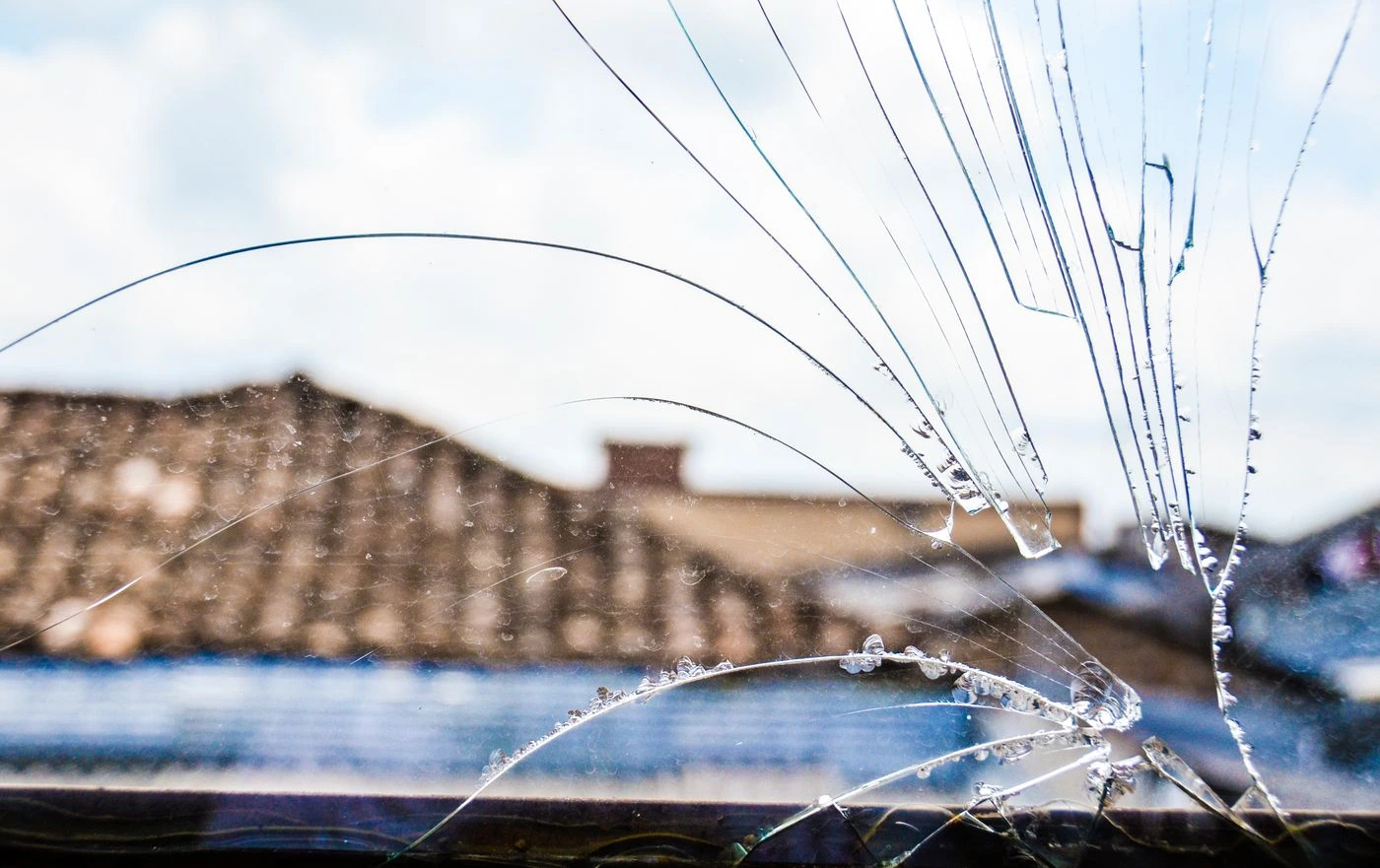
A crack does not always create the same level of risk, but damaged window glass becomes urgent when people, security, weather protection or essential access can no longer be managed safely. The practical question is not simply how large the crack looks; it is whether the condition is stable, isolated and controlled.
Key points
What to remember
- Call when glass is loose, falling or exposed to public access.
- Treat an unsecured opening or compromised entry door as time-sensitive.
- Weather exposure and essential access can increase urgency.
- Call 1300 001 876 for controlled, stable and planned glazing needs.
- Do not touch, press or tape a pane to test whether it is stable.
Keep people clear of the area and call the emergency line if the opening is unsafe, unsecured or changing.
There is an active safety risk
Glass that is loose in the frame, falling, overhead or spread across a used access path should be treated as an active hazard. Move people away and begin with the emergency phone pathway.
Consider both sides of the opening and any level below it. Fragments can fall inward or outward, and overhead glass may affect a wider area than the visible crack suggests. Use barriers, locked doors or staff supervision to keep people clear without approaching the pane.
The property can no longer be secured
An opening created by impact, break-in or failed door glass can leave the building exposed. Explain whether the property can be locked, monitored or isolated while help is coordinated.
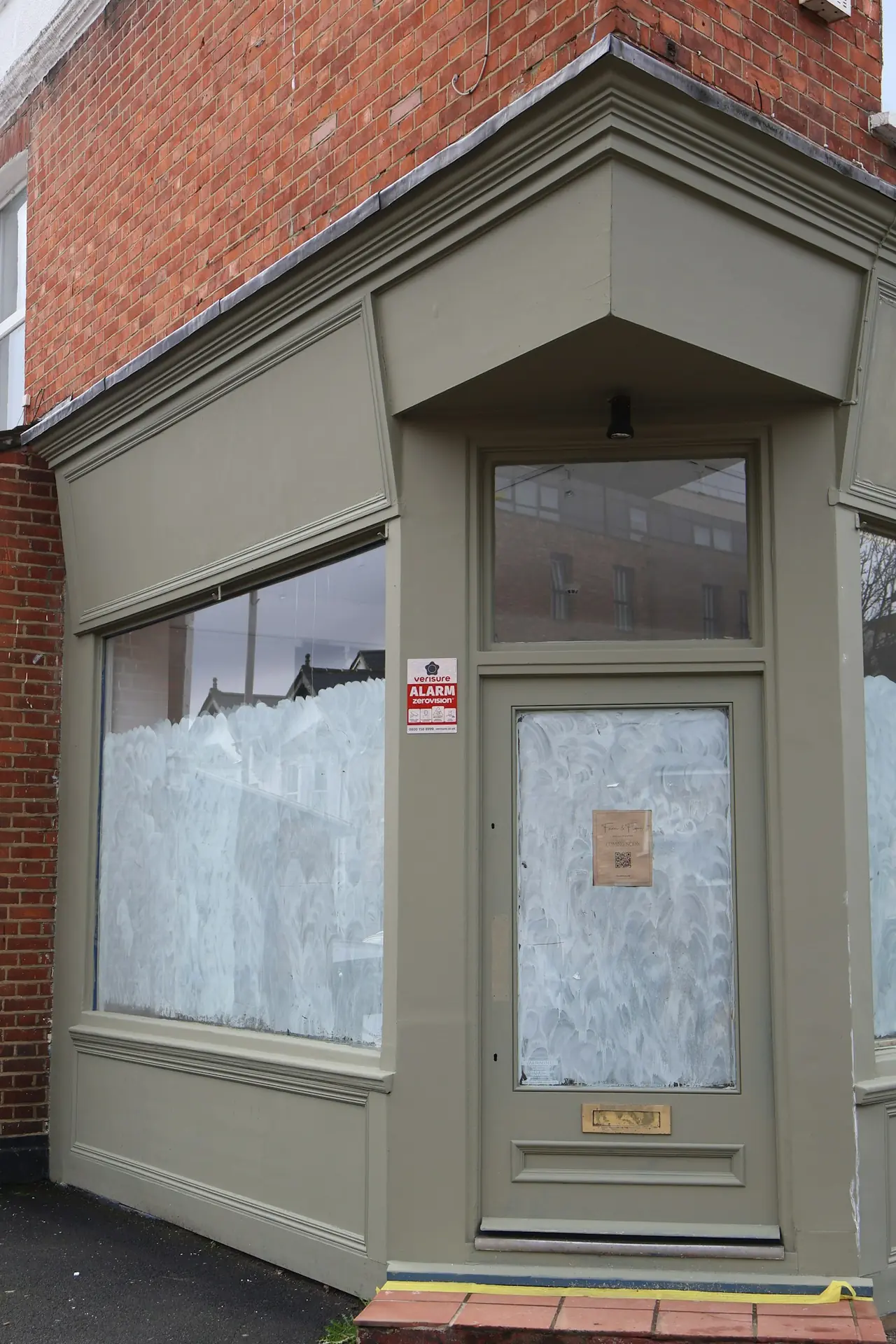
Shopfronts, entry doors and ground-floor windows can be time-sensitive even when loose glass is not visible. Tell the glazing team if the damaged opening affects an alarm, lock, door closer, tenancy boundary or the only secure entrance.
Essential access or weather protection is affected
Damage at the only safe entry, a fire egress route or an exposed elevation may need faster assessment than a stable crack in an isolated room. Heavy weather can also change a controlled issue into an active one.
Redirect people to an alternative route only when it can be used safely and does not compromise required access. Report water, wind or movement affecting the opening rather than trying to cover or brace damaged glass yourself.
Use observable warning signs, not a home diagnosis
From a safe position, note whether the crack has changed, whether pieces appear loose, whether the pane or frame is moving, whether the door still operates and whether the opening can be isolated. These observations support triage without requiring you to identify the glass type or cause.
Some damaged panes can remain in place while still requiring planned replacement. Others may deteriorate after temperature, wind, impact or door movement. Do not press the pane, remove fragments or apply tape to test it.
- Loose, falling or visibly moving glass.
- Damage above people or beside a public route.
- A door or window that will not close or lock.
- A crack or opening that is changing with weather or use.
Call for both urgent and planned work
Call 1300 001 876 when the condition is unsafe, unsecured or changing, and for planned work when the glass is stable, the area can remain isolated and the work can wait without an immediate make safe.
When calling, lead with the exact address, onsite contact and active concern. For a planned enquiry, include safe-distance photos, the opening type, approximate size and any known property, work-order or insurance reference.
Keep the area controlled while help is arranged
Maintain the exclusion zone, redirect customers or occupants and brief anyone taking over responsibility for the area. Monitor the condition from a safe position and call again if glass begins moving, the property becomes unsecured or the access situation changes.
Do not attempt a temporary glass repair with tape, cardboard or household materials on an unstable pane. A temporary securing method should follow an assessment of the opening and its surrounding risks.
Understand what happens after the urgent call
An emergency attendance may focus on removing the immediate hazard and securing the opening. The final window glass replacement can require a confirmed specification, accurate measure, fabrication, approval or a return visit.
At handover, ask how the site has been left, whether any restrictions remain and who owns the next stage. Keep the emergency and permanent work connected to the same property, claim or service reference.
Common questions
Frequently asked questions
Is every crack an emergency?
No. Urgency depends on stability, location, access, security and whether the area can be isolated. If the condition is changing or you are unsure it can be managed safely, call.
Can planned follow-up still be arranged after an emergency call?
Yes. Call 1300 001 876 for follow-up documents or planned information. The active incident should begin with the phone call.
Can cracked window glass wait for a planned repair?
Only when the glass appears stable, the area can remain isolated and the opening is not creating a security, weather or essential-access problem. If the crack is moving, the pane is loose or you are unsure the area can stay controlled, call for assessment.
What should I do while waiting for help with urgent window glass?
Keep people away, redirect access, avoid touching the pane or frame and monitor the area from a safe position. If someone is seriously injured or there is an immediate threat to life or property, contact Triple Zero (000).
Can I tape a cracked window as a temporary fix?
Do not approach, press or tape unstable glass. Keep the area isolated and describe the condition to the glazing team so the appropriate temporary or replacement pathway can be assessed.
What if a window breaks at night?
Call when the opening is unsafe, cannot be secured or affects essential access. Explain the lighting, access, alarm and onsite-contact arrangements so an after-hours response can be coordinated safely.
What affects the cost of repairing a cracked window?
The opening size, glass type, frame, access, height, timing, temporary securing needs and whether specialist equipment or a return visit is required can all affect cost. A responsible scope may require safe photos or an onsite measure.
Talk to the team
Need help with a glazing issue?
Call 1300 001 876 for an active safety or security concern, or for planned work. You can also review the published service locations.